
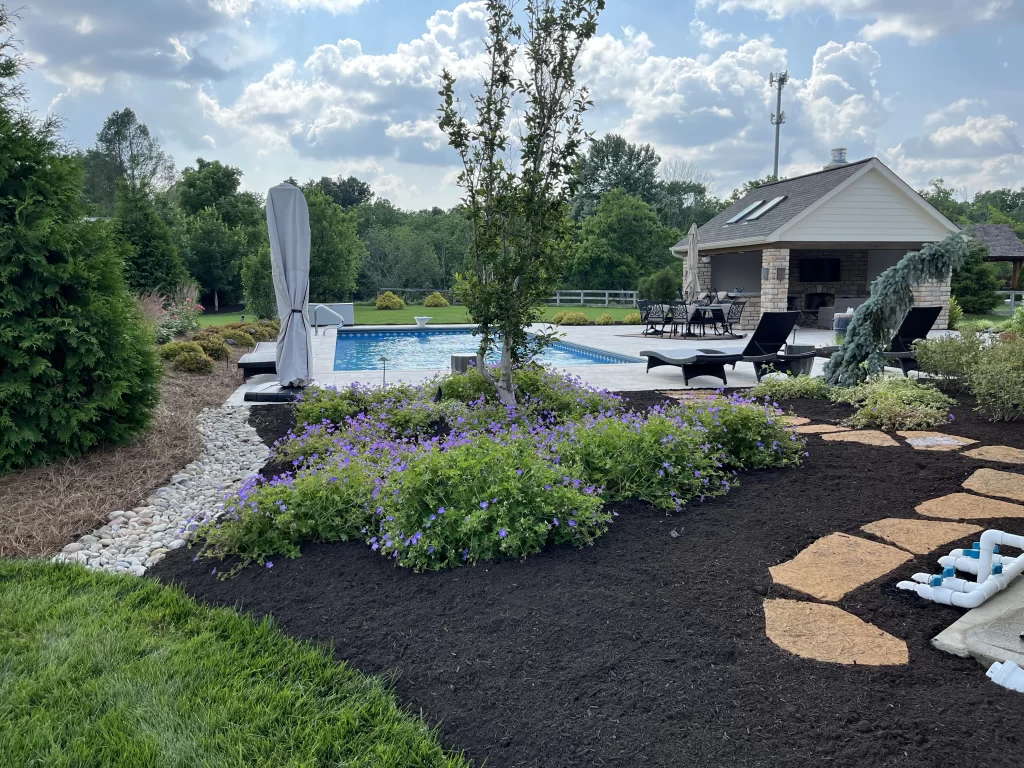
By Morning Light Landscaping | Serving Greater Cincinnati, OH
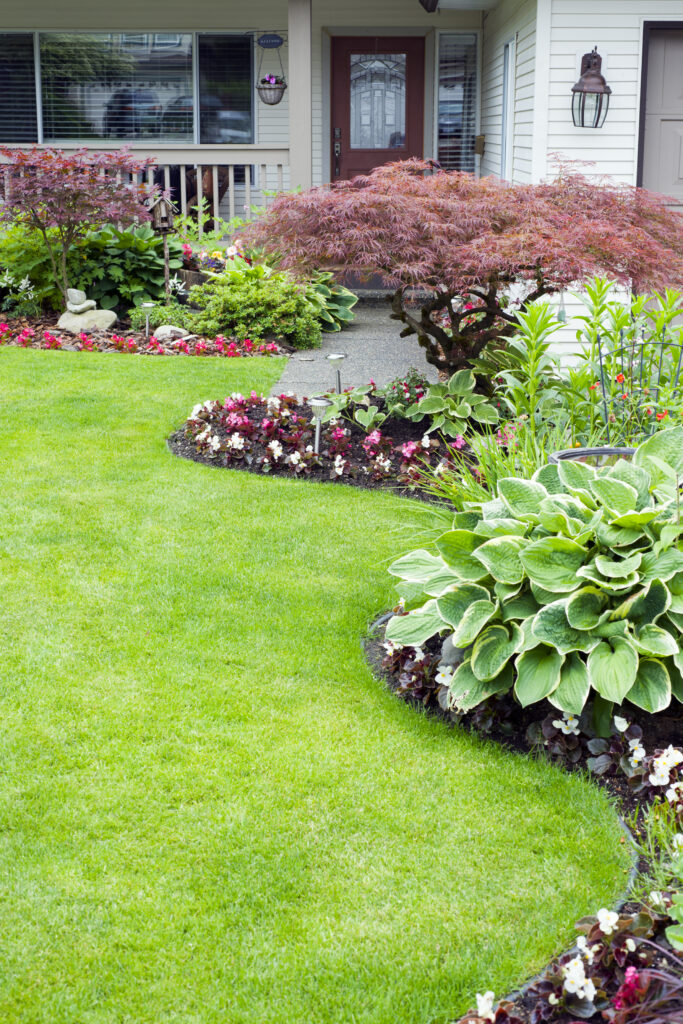
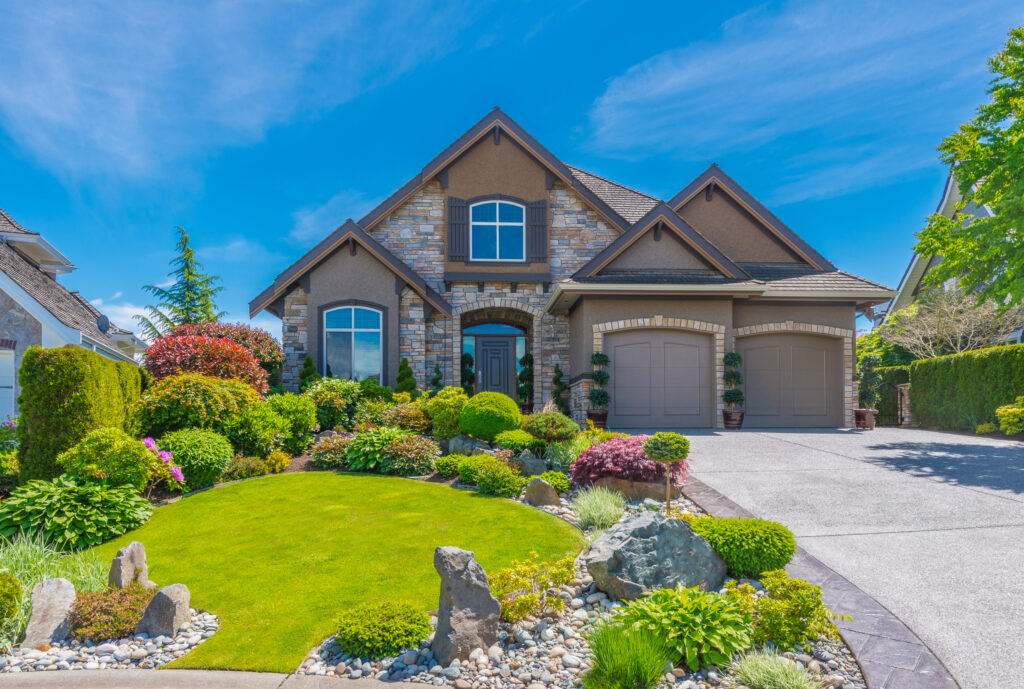
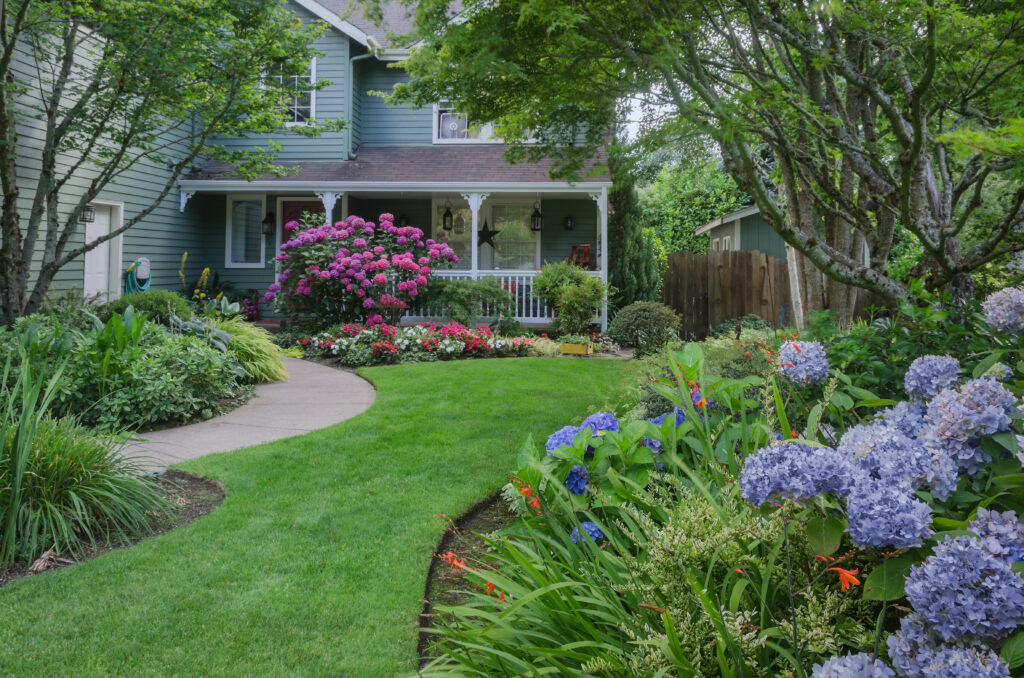
Most homeowners approach landscape installation backwards. They see a plant they like at the nursery, buy it, find a spot for it, and repeat the process across a few seasons — ending up with a yard full of individual decisions that never quite add up to a cohesive, functional, beautiful landscape. The result is spending real money on plants and installation without ever getting the outdoor space they envisioned.
Professional landscape design and installation works differently. It starts with a complete vision for the entire property — how spaces connect, how water moves, what the view from inside the house looks like in every season, what the maintenance burden will be in five years — and then executes that vision in a deliberate, phased way that produces results that compound over time rather than accumulate without direction.
This guide explains how professional landscape design actually works, what the installation process involves, and what separates a landscape that thrives for decades from one that looks tired within a few years.
Why Landscape Design Matters Before a Single Plant Goes In
The most expensive landscaping mistake Cincinnati homeowners make is skipping the design phase. It feels like a savings — why pay for a design when you can just start planting? — but the math reverses itself quickly. Plants installed without a design get removed when they outgrow their space, conflict with adjacent plantings, or block the view that should have been preserved. Hardscape added without a landscape plan doesn’t integrate properly with the planting beds around it. Lighting installed as an afterthought requires trenching through established gardens.
A proper landscape design does several things that intuition alone cannot:
- It establishes a visual hierarchy — deciding what the landscape draws your eye toward and what recedes into the background
- It accounts for mature plant sizes, not just installation-day sizes, ensuring the landscape performs well in year one and year fifteen
- It sequences spaces logically — connecting the entry to the back yard, the patio to the garden, the garden to the lawn — so the property feels organized and purposeful
- It front-loads the thinking required to phase improvements intelligently, so every addition builds toward a finished result rather than complicating what already exists
- It considers maintenance load, choosing plant combinations and bed designs that perform well without requiring constant intervention
How Professional Landscape Designers Approach a Property
The first step in professional landscape design is a thorough site analysis. Before any creative decisions are made, a good landscape designer needs to understand the existing conditions: soil type and drainage patterns, sun and shade throughout the day and across seasons, wind exposure, existing plants worth preserving, grade and topography, views to capture or screen, and the architecture of the home itself.
In Cincinnati’s specific climate context, a few considerations carry particular weight. The region’s clay-heavy soils drain poorly and compact easily — a significant factor in both plant selection and bed preparation. The area’s extreme temperature range (from well below freezing in winter to humid 90-degree summers) limits plant palette in ways that homeowners accustomed to milder climates often underestimate. And the region’s propensity for significant rain events means drainage is a design consideration on nearly every property.
Once the site analysis is complete, the design phase begins in earnest: developing a planting plan that addresses every area of the property, selecting species that are appropriate to the specific conditions of each location, and organizing the plant palette into a composition that has balance, seasonal interest, and a clear design logic.
Plant Selection: What Actually Thrives in Greater Cincinnati
One of the most important services a knowledgeable landscape designer provides is plant selection guidance. The nursery industry sells many plants that are technically hardy in Zone 6 (Cincinnati’s USDA hardiness zone) but that perform poorly in the specific conditions of most residential properties. Understanding the difference between what can survive and what will genuinely thrive is the foundation of landscape design that holds up over time.
Native Plants and Why They Matter
Plants native to the Ohio River Valley region have evolved to thrive in Cincinnati’s soils, tolerate its rainfall patterns, and survive its temperature extremes without intervention. Native species like oakleaf hydrangea, serviceberry, native grasses (like little bluestem and switchgrass), and woodland wildflowers typically require less water, less fertilizer, less pest management, and less maintenance than their exotic counterparts once established. They also support local pollinator populations in ways that non-native species often cannot.
A landscape design that incorporates a strong native plant foundation — even if it’s supplemented with carefully selected non-native ornamentals for color, texture, or formal structure — will outperform and outlast one built primarily on exotic species.
Soil Preparation: The Step Most Contractors Skip
In Greater Cincinnati, where clay soils dominate, proper bed preparation before planting is as important as plant selection itself. Clay soil holds water poorly in some spots and drains too slowly in others; it compacts under foot traffic; it can be alkaline in ways that stress acid-loving plants; and its dense structure can inhibit root development for years after planting.
Professional landscape installation in Cincinnati clay conditions typically involves amending the native soil with compost and organic matter to improve drainage and structure, sometimes incorporating a layer of quality topsoil in beds, and mulching to depth to regulate moisture and temperature. Skipping this step and planting directly into unamended clay is a common reason landscapes fail to establish properly in the first few years.
The Landscape Installation Process: What to Expect
Understanding what professional landscape installation actually involves helps homeowners evaluate proposals and recognize quality work when they see it.
Site Preparation
Before any plants go in, the site needs to be properly prepared. This means removing existing vegetation that isn’t being retained, rough grading if needed, installing any hardscape elements (patios, walkways, walls) before planting begins, and addressing any drainage issues that the design identified. The sequence matters: hardscape work generates disturbance and equipment traffic that would damage newly installed planting.
Planting
Professional plant installation involves more than digging a hole and dropping a root ball in. Proper planting depth — with the root flare at or slightly above grade, not buried — is critical to long-term tree and shrub health. Hole diameter should be at least twice the diameter of the root ball to allow lateral root expansion into the surrounding soil. Roots should be loosened before planting when they show signs of circling in the container. Backfill should be native soil, not heavily amended, so roots are encouraged to spread into the surrounding ground rather than staying within the comfort of an amended pocket.
Mulching
A 2- to 3-inch layer of quality organic mulch applied to all planting beds is one of the highest-value steps in landscape installation. Mulch conserves soil moisture, moderates soil temperature, suppresses weed germination, prevents soil compaction from rain impact, and as it breaks down, adds organic matter to the soil. Common mistakes: mulch piled against tree trunks (which causes rot and pest issues) and mulch layers that are too deep (which can prevent oxygen exchange and suffocate roots).
Landscape Maintenance: What Your New Landscape Actually Needs
A newly installed landscape has specific needs that differ from a mature one. The establishment period — typically the first two growing seasons — is when irrigation is most critical and when attentive care pays the highest dividends. During this period, the root systems of trees and shrubs are developing to the point where they can access the soil moisture they need independently; until then, supplemental watering is often necessary during dry spells.
Long-term, a well-designed landscape built with appropriate plants should have a declining maintenance burden over time. Year-one gardens require more watering, more weeding (as mulch settles and weed seeds find their way in), and more monitoring. By year three to five, an established landscape with good weed suppression and appropriate plant density is largely self-sustaining with seasonal cleanup, occasional pruning, and mulch refreshing.
Frequently Asked Questions
Q: How much does professional landscape installation cost in Cincinnati?
A: Landscape installation costs vary widely depending on the scope of the project. A modest front yard installation with quality plants, bed preparation, and mulching might run $3,000 to $6,000. A comprehensive whole-property landscape installation with significant plant material, amended beds, and multiple garden areas can range from $15,000 to $40,000 or more. The most useful way to think about cost is in terms of what you’re getting: quality plant material, proper bed preparation, and professional installation that gives everything you’ve bought the best possible chance of thriving.
Q: When is the best time to plant in Cincinnati?
A: Spring and fall are both excellent planting seasons in Greater Cincinnati. Fall planting — from late September through October — is often underappreciated: soil temperatures remain warm enough for root development long after air temperatures cool, and plants go into their first summer with an established root system. Spring planting allows homeowners to see foliage before purchasing and takes advantage of natural rainfall. Summer planting is possible with attentive irrigation but increases establishment stress, particularly for trees and larger shrubs.
Q: What plants work well in Cincinnati’s clay soil?
A: Many excellent landscape plants are well-suited to the heavy clay soils common in Greater Cincinnati. Native species like serviceberry (Amelanchier), Virginia sweetspire, native viburnums, and ornamental grasses tend to adapt well. For trees, bald cypress, swamp white oak, and river birch handle the moisture retention of clay admirably. The key is matching plant selection to existing conditions rather than fighting the soil — and amending beds appropriately when adding plants that prefer better drainage.
Q: How do I find a reputable landscape contractor in Cincinnati?
A: Look for contractors who offer a comprehensive design process before installation begins — not just a verbal estimate and a plant list. Ask whether the principals of the company are actively involved in installation, and what warranties they offer on plant material. References and reviews from recent clients are invaluable; ask specifically about whether the landscape looked as good three years later as it did the day of installation. Certifications from organizations like the Ohio Nursery and Landscape Association indicate professional commitment.
Q: Do I need a landscape designer, or can I just have a landscaper install plants?
A: The distinction matters more than it might seem. A landscape designer brings compositional thinking — an understanding of how plants, space, and structure work together visually and functionally — that a general installer typically doesn’t offer. For simple projects, a skilled installer’s plant knowledge may be sufficient. For whole-property projects, projects involving multiple areas with different conditions, or any situation where you want a landscape that truly feels designed rather than assembled, working with someone who thinks about the full picture first is worth the investment.
Q: How long does it take for a new landscape to look established?
A: The honest answer: most landscapes hit their stride in years three to five. Year one, newly installed plants are often smaller than you’d like and spaced with their mature size in mind — which means the beds can look sparse initially. Year two typically shows meaningful growth and the design begins to read clearly. By years three to five, well-chosen plants are filling their spaces, the layering of the design becomes apparent, and the landscape starts to look like it belongs to the property rather than having just arrived.
Choose Morning Light Landscaping for your next Landscape Design & Installation Project
Morning Light Landscaping provides comprehensive landscape design and installation services throughout Greater Cincinnati, including Hyde Park, Indian Hill, Loveland, Mason, West Chester, Anderson Township, and surrounding communities. Our owners develop a complete design for every property before any installation begins — ensuring every project builds toward a result worth waiting for.